


During a medical check-up at Holt Orthodontics in Twinsburg, OH, a doctor uses a tongue depressor to carefully examine a patient's throat for signs of an underbite.

Diagnosis and Treatment of Underbite in Twinsburg OH

An underbite occurs when your lower teeth extend beyond your upper teeth when your mouth is closed. At Holt Orthodontics in Twinsburg, Dr. Holt specializes in addressing this issue, which can affect both your oral health and self-esteem. If left untreated, underbites can lead to difficulties in speaking, eating, and may result in ongoing jaw pain.

Causes and Risk Factors
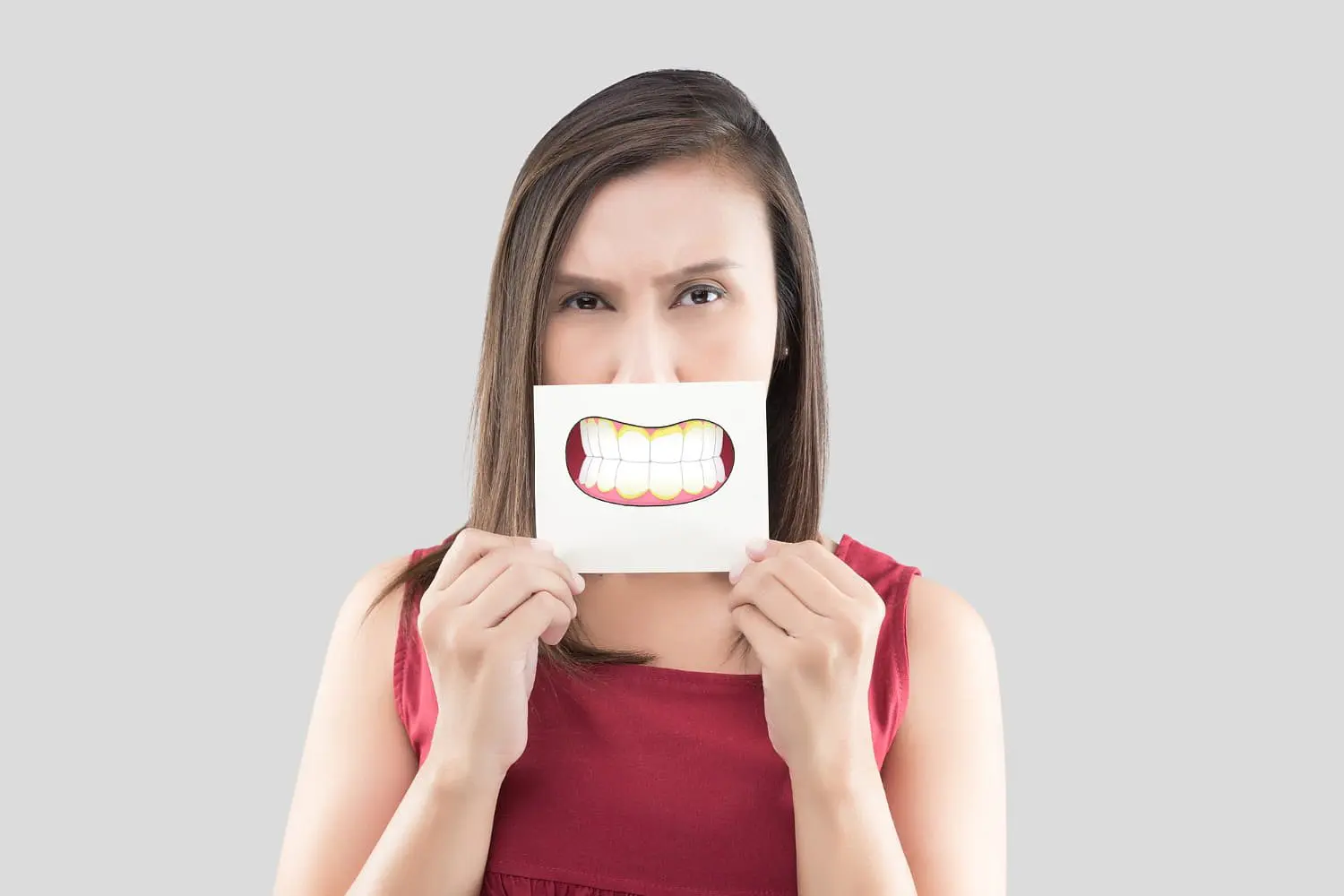
A woman in a red sleeveless top holds up a drawing of a large smiling mouth with an underbite in front of her face, set against a plain grey background—an image that captures the focus of Holt Orthodontics in Twinsburg, OH.

Genetics of underbite

Genetics play a major role in underbite development, often running in families. If a parent has an underbite, the chances of their child developing one are greatly increased due to hereditary factors.

A young person with long dark hair, glasses, and braces—showing an underbite—smiles at the camera in a green collared shirt against a plain background, representing Holt Orthodontics in Twinsburg, OH.

The role of environmental 
factors in underbite

Environmental factors greatly contribute to the formation of an underbite, a dental condition in which the lower jaw extends farther than the upper jaw.

At Holt Orthodontics in Twinsburg, OH, a woman in a gray hoodie stands against a plain white background with her eyes closed, covering her mouth as she yawns—a subtle sign of mouth breathing.

Mouth breathing and its relationship to underbite

Mouth breathing caused by allergies or respiratory issues can disrupt normal jaw development. Incorrect tongue position and force from mouth breathing may influence jaw growth, potentially leading to an underbite.

Types and Severity of Underbite

At Holt Orthodontics, we categorize underbites into three main groups: Class I (mild overlap), Class II (moderate overlap), and Class III (severe protrusion). We carefully assess each patient’s condition to determine the most suitable treatment method.

Effects and Complications

of an Underbite

Most patients visiting Holt Orthodontics often share concerns about complications related to underbites. These can include:

Facial appearance changes

Difficulty maintaining 
proper oral hygiene

Speech impediments

Challenges with chewing and digestion

Increased risk of tooth wear

Potential development of sleep apnea
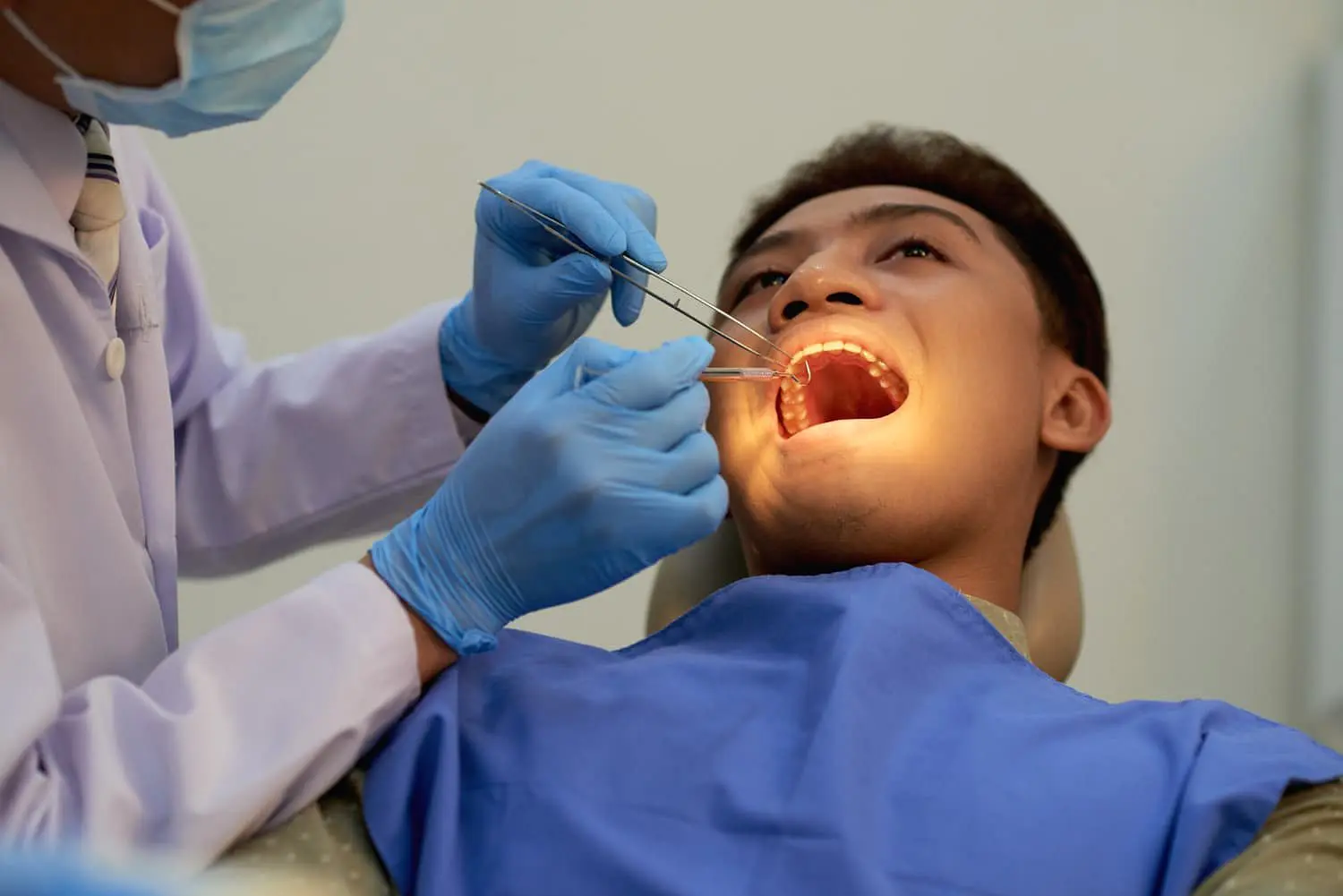
At Holt Orthodontics in Twinsburg, OH, a dentist wearing gloves uses dental tools to examine a patient’s mouth for issues such as an underbite while the patient sits in the dental chair.

Treatment Options for Underbite in Twinsburg OH at Holt Orthodontics

Our office offers a variety of treatment options, each customized to meet individual patient needs.

Non-surgical Approaches

We provide several non-surgical treatment choices at our Twinsburg office, including:

Traditional braces
Clear aligners
Palatal expanders
Reverse-pull headgear

These treatments are tailored for each patient’s specific requirements and lifestyle. Many residents have successfully corrected their underbites with these more conservative methods.

Surgical Intervention

For severe cases, we collaborate with local oral surgeons to provide comprehensive surgical solutions. This option is typically reserved for adult patients or extreme cases where orthodontic treatment alone is not effective. Our team ensures seamless cooperation between orthodontic and surgical treatment for the best outcomes.

FAQ

What causes an underbite?

Underbites can develop from various factors, including genetics, childhood habits, and environmental influences. We perform thorough evaluations to identify the specific cause of your underbite, allowing us to create the most effective treatment plan. Early detection and intervention can often lead to better results.

Can braces fix underbites?

Yes, braces can be an effective solution for correcting underbites. They apply continuous pressure over time to gradually move teeth into proper alignment. This process can help align the lower jaw with the upper jaw, addressing the underbite. However, the severity of the underbite may require additional treatments to achieve the best results. It’s advisable to consult with an orthodontist to evaluate your specific situation and determine the best treatment plan.