


Braces vs Invisalign: Which is Best?
The choice between Braces vs Invisalign (made by Align Technology) to straighten crooked teeth can be confusing anywhere, including Twinsburg, OH. It begins with finding the top orthodontist in Twinsburg. Both options have strengths and limits, and here in Twinsburg, orthodontics is no different—the decision mostly comes down to personal details—like your oral condition and habits. So who comes out ahead in the debate of Invisalign vs Braces?
While traditional metal braces or ceramic braces are commonly recommended by orthodontists to treat more complex dental conditions in addition to crooked teeth, Invisalign and Invisalign Teen are gaining popularity due to advancements in design and their flexibility in achieving a straighter smile. This guide will explore the effectiveness of both treatments, helping you choose not just the right option, but also to give you the confident smile you deserve.
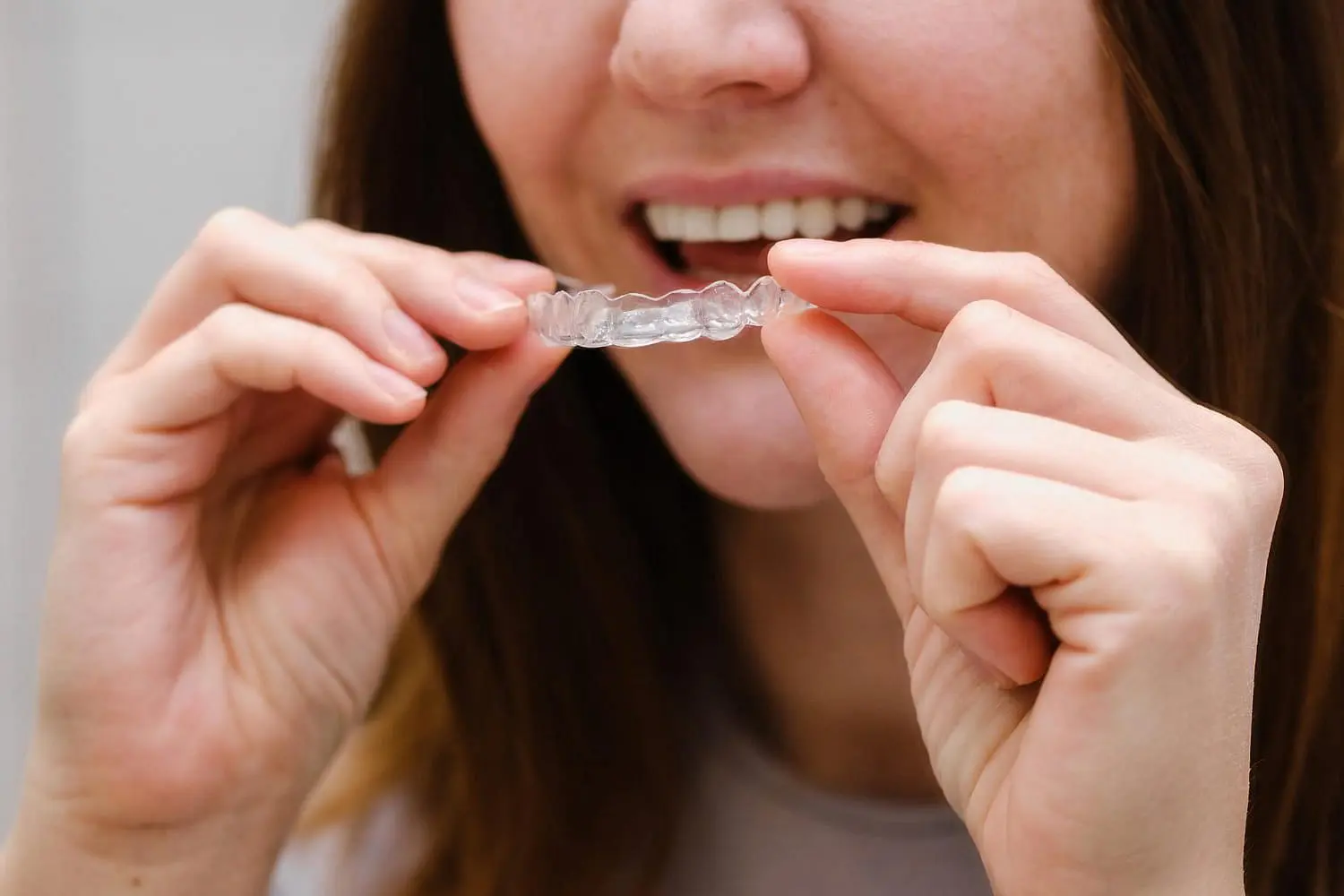
Factors Influencing Effectiveness of Braces vs Invisalign

Complexity of the Dental Case
Dental treatment is influenced by case complexity. Certain methods provide superior control and are better suited for addressing intricate dental concerns.
Specific orthodontic treatments, such as Invisalign, clear aligners, metal braces, ceramic braces, clear braces, or lingual braces, require consistent commitment and strict adherence to ensure effective outcomes.
Alternative treatments may perform better when habits are unpredictable, offering reliable outcomes without heavy reliance on daily patient compliance.
Investment and Oral Hygiene
Orthodontic care is a significant investment. Some treatments ease oral hygiene, ensuring simpler maintenance and possibly fewer cleaning visits in the future.
Certain methods help reduce bacteria, leading to healthier teeth and gums while promoting better long-term oral health with fewer complications.
Other treatments require careful cleaning. Neglected care can result in plaque accumulation, making regular cleaning essential for maintaining oral health.
Orthodontic Treatment Effectiveness in Different Age Groups
Explore how orthodontic care differs for kids and adults, based on growth patterns, daily routines, and the custom treatments designed for each age group.

Early Orthodontic
Treatment in Children
Early orthodontic treatment helps shape jaw and tooth growth in children. Traditional metal braces work well for young patients, fixing tough problems accurately with less worry about looks.
Adult Orthodontics:
Invisalign versus Braces
Adults usually pick between fixed or removable options based on their routine. Removable choices look better and are easy, while fixed braces work well for uneven habits. Both types depend on the case’s complexity and the patient’s preference.
Real-world Applications: Invisalign or Braces?
Debunking Myths Around Braces and Invisalign
Understanding common myths helps patients make informed decisions about braces and clear aligner treatments.
Myths about Braces
Many people think braces are only for kids or teens, but they also help adults fix long-term orthodontic issues and remain a proven treatment for people of any age.
Myths about Clear Aligner Therapy
Clear aligners are not necessarily more expensive than braces and can address many situations. Even though less suitable for severe cases, they maintain effectiveness with patient compliance and careful planning for various orthodontic needs.
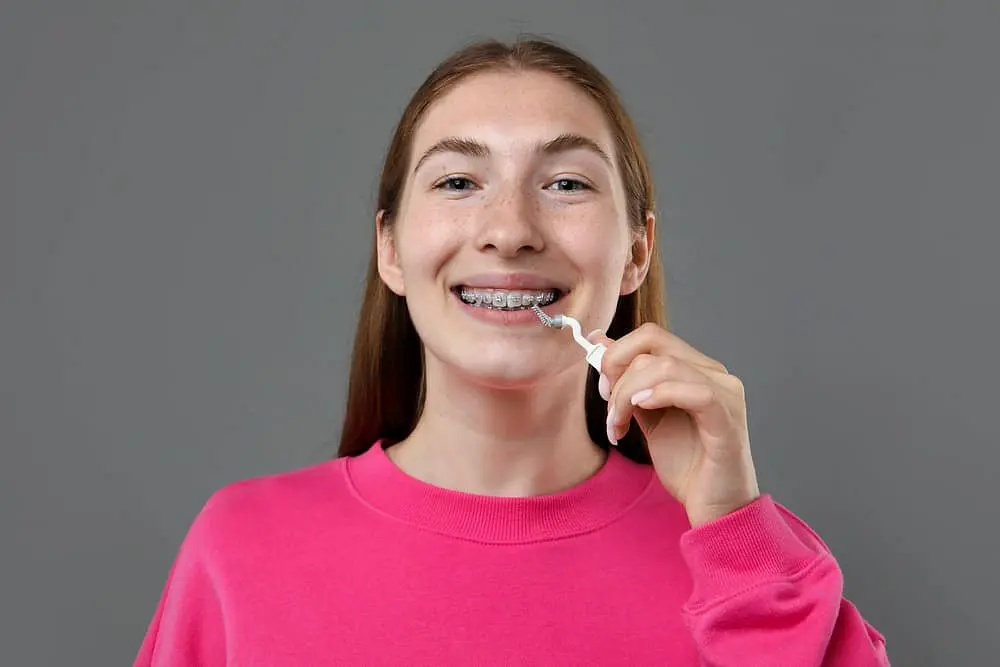
Can Extraction Cases be Treated with Clear Aligners
Clear aligners can efficiently handle cases involving tooth extractions when used as instructed. Successful outcomes heavily rely on patient compliance, as irregular usage may slow progress or limit effectiveness. In these situations, alternative treatment methods may be required to ensure effective corrections, depending on the individual patient’s goals and needs for their orthodontic journey.
Mechanical Advantages and Disadvantages in Orthodontic Treatments
As mentioned previously, using accessory appliances is generally easier with traditional metal braces than with clear aligners, especially when tackling more complex cases. Conventional braces provide greater versatility for integrating different devices that enhance anterior jaw positioning, making them particularly suitable for early intervention and adolescent treatment approaches. This flexibility allows orthodontists to utilise a wider range of techniques for achieving optimal results, which can be challenging with standard clear aligners. The straightforward integration of these devices with the brackets enables significant or swift adjustments when needed, ultimately enhancing the overall effectiveness of orthodontic care.