



At Holt Orthodontics in Twinsburg, OH, a healthcare professional uses a tongue depressor to examine a male patient’s throat for signs of tongue thrust.

Tongue Thrust: Diagnosis and Treatment in Twinsburg OH

At Holt Orthodontics in Twinsburg, OH, a healthcare professional in a white coat examines a seated man's open mouth to check for signs of tongue thrust.

What Causes Tongue Thrust

Tongue thrust can arise from both genetic and environmental influences.

Habits from early childhood frequently contribute significantly to its emergence. Common factors include:

Extended thumb sucking or pacifier usage
Bottle feeding past the suggested age
Genetic oral structure traits
Initial feeding and swallowing behaviors
Oral habits formed during infancy
At Holt Orthodontics in Twinsburg, OH, a dentist uses dental tools to check a smiling patient with braces for signs of tongue thrust in a brightly lit clinic.

Types of Tongue Thrust

Different variations of tongue thrust can influence oral health and dental alignment in distinct manners. The most prevalent type involves the tongue’s forward positioning, which can lead to gaps between teeth and impact bite alignment. Additionally, side-pressing patterns may develop, potentially resulting in crossbites and irregular dental wear. Each variation necessitates targeted attention and tailored treatment strategies for effective correction.

Symptoms and Diagnosis

A professional evaluation is crucial for the precise diagnosis of tongue thrust. Common signs include noticeable gaps between teeth, misaligned bites, and unique swallowing patterns. During the assessment, specialists examine tongue positioning during rest, speaking, and swallowing to identify the presence and severity of the issue.


At Holt Orthodontics in Twinsburg, OH, a dentist examines a woman’s teeth with dental instruments to check for signs of tongue thrust as she sits in the chair with her mouth open.
At Holt Orthodontics in Twinsburg, OH, a dentist examines a young girl's teeth for signs of tongue thrust as she sits in the dental chair with her mouth open.

Tongue Thrust in Children

Early intervention is vital for children exhibiting signs of tongue thrust. A professional evaluation by age 7 can help avoid more serious developmental problems later on. If not addressed, tongue thrust can greatly affect dental growth and may necessitate more comprehensive treatment as the child matures.

Treatment Options for Tongue Thrust

Treatment approaches focus on retraining tongue position and function through specialized therapy programs. Professional intervention may encompass behavioral modification techniques along with tailored treatment plans that cater to individual requirements. Effective outcomes frequently hinge on early detection and consistent adherence to recommended exercises and treatments.
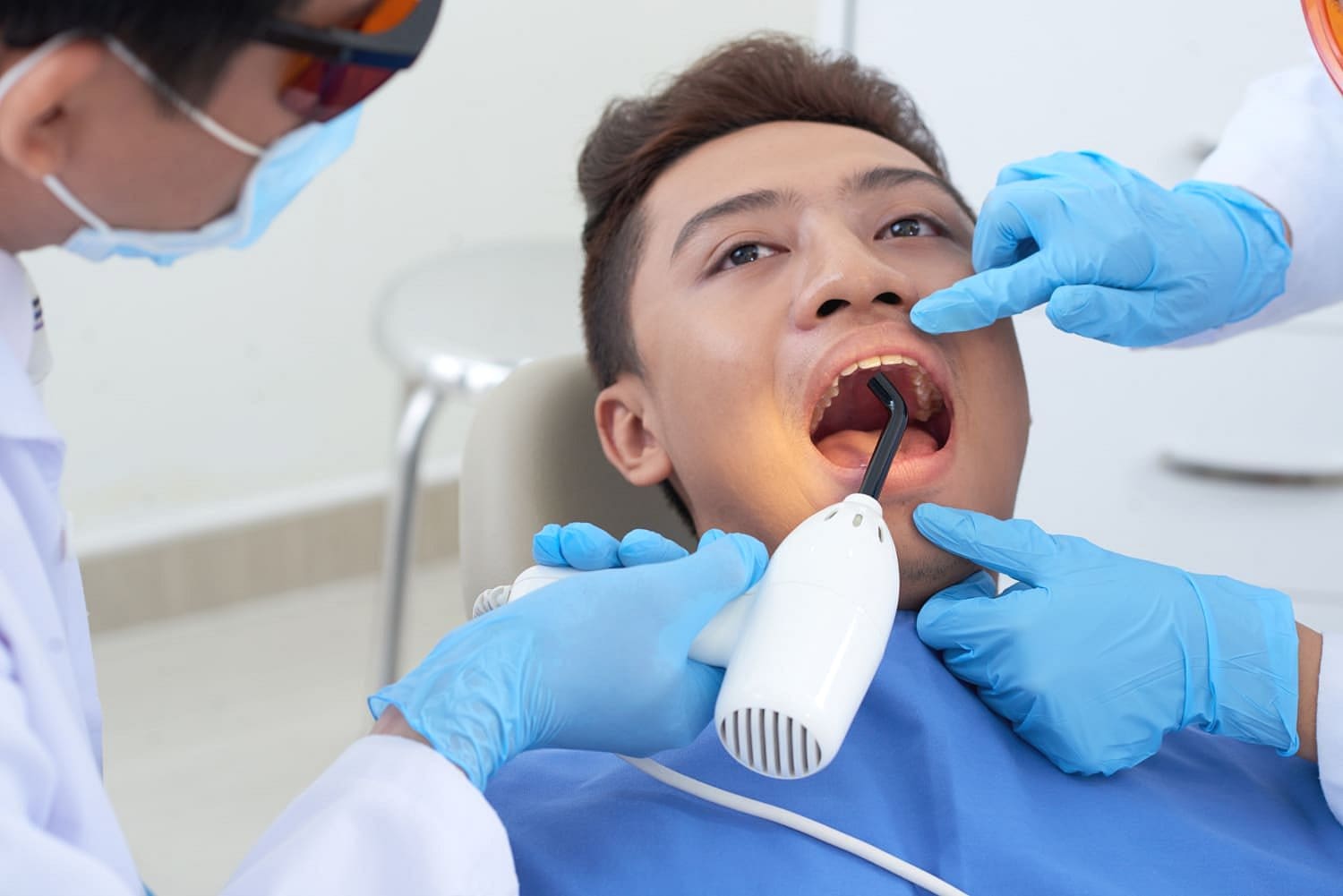
At Holt Orthodontics in Twinsburg, OH, a dentist wearing gloves uses dental tools to examine a patient's mouth for signs of tongue thrust as an assistant holds a nearby device.

Myofunctional Therapy for Tongue Thrust

This specialized therapy focuses on correcting improper tongue positioning and strengthening oral muscles. Through specific exercises and techniques, patients are taught to establish proper swallowing patterns and optimal tongue alignment. Consistent practice and professional guidance are crucial for attaining the best possible outcomes.
At Holt Orthodontics in Twinsburg, OH, a woman consults with a doctor about tongue thrust, seated at a desk with a laptop and toy rockets.
At Holt Orthodontics in Twinsburg, OH, a dentist and dental assistant—both masked and gloved—examine a patient's teeth for tongue thrust using dental tools in a well-lit clinic.

Long-Term Management and Prognosis

Successful management of tongue thrust requires commitment to ongoing care and maintenance. Regular follow-up appointments are essential for tracking progress and ensuring enduring results. With appropriate treatment and consistent adherence to suggested exercises, patients usually see substantial enhancements in oral function and dental alignment.

FAQ

How do I know if I have tongue thrust?

Signs include visible gaps between teeth, difficulties with normal swallowing, and speech issues such as lisping. A professional evaluation is advisable for an accurate diagnosis, as these symptoms may also suggest other oral conditions.

Will my teeth straighten naturally if I correct my tongue thrust?

While correcting tongue thrust can help prevent further misalignment, existing dental problems usually require professional treatment for resolution. It’s best to schedule a consultation with a specialist to review your specific situation and available treatment options.

How can tongue thrust affect orthodontic treatment?

Tongue thrust can influence the effectiveness of orthodontic treatment by creating resistance to tooth movement and potentially prolonging the treatment duration. Seeking a professional evaluation and concurrent treatment for tongue thrust may be essential for achieving optimal results.