
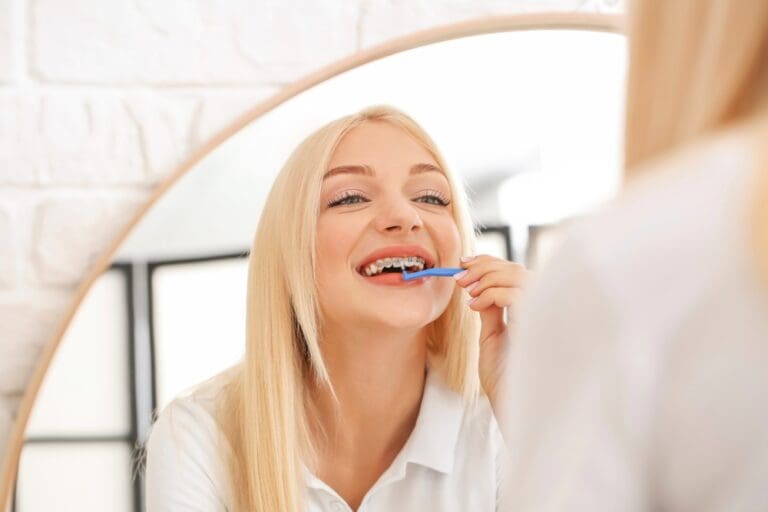
Learning how to floss with braces in Twinsburg, OH, can feel tricky at first. Flossing is important because it cleans areas your toothbrush can’t reach. Braces create small spaces where food and plaque can hide, so flossing keeps your teeth and gums healthy. Flossing with braces may take extra time, but it prevents plaque buildup, tartar, and gum disease.
Continue reading to learn the benefits of flossing with braces, how to floss with braces correctly, and which tools work best.
Why Flossing Is Important With Braces
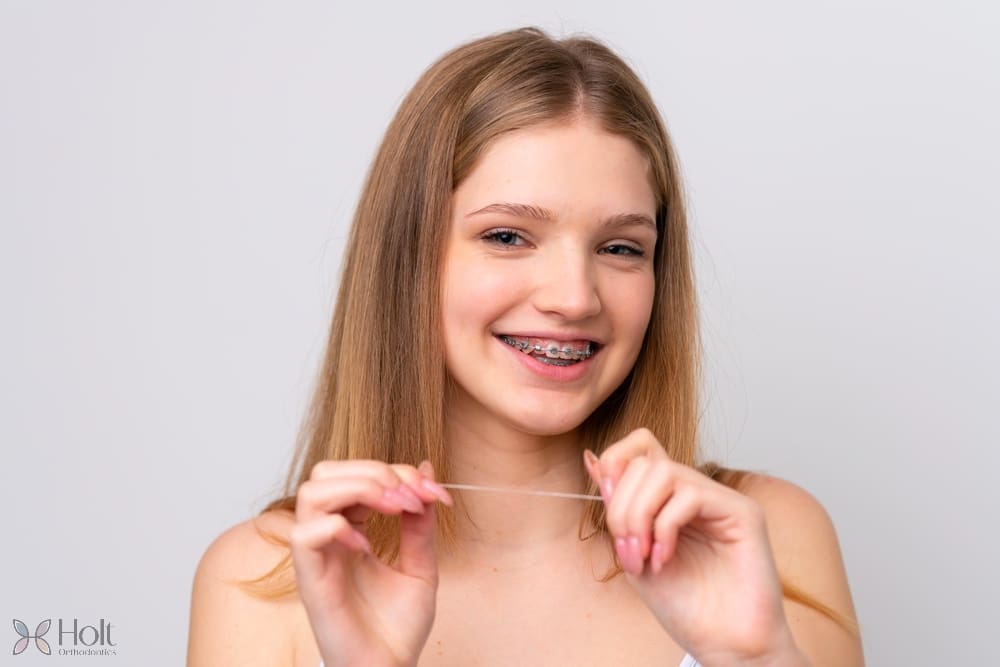
Braces help straighten teeth, but they make cleaning harder. Brackets, archwires, and wires trap food debris along the gum line. If plaque builds up, it can cause gum inflammation, gingivitis, cavities, or tooth decay. Daily flossing protects your enamel and keeps gums healthy. It also makes your orthodontic care smoother. Patients who follow a proper oral hygiene routine often finish treatment faster and maintain better results.
Flossing supports preventive dentistry. By cleaning your teeth daily, you reduce the need for future dental procedures. It is a simple step that keeps your smile bright and healthy while wearing braces.
Tools That Make Flossing Easier
Using the right tools can make flossing with braces easier. These tools help clean food debris, plaque, and bacteria from places a toothbrush cannot reach. According to the orthodontic expertise offered by Dr. Viecilli at Limestone Hills Orthodontics, Austin, TX, picking the right tools can make flossing faster and much less of a hassle. Holt Orthodontics provides guidance on which tools fit your teeth and braces best.
1. Floss Threaders
A floss threader is a small plastic loop that helps guide dental floss under archwires and between brackets. Floss threaders are easy to use and great for beginners. They make cleaning between teeth faster and more effective.
2. Waterpik Water Flosser
A water flosser or oral irrigator shoots a gentle stream of water between teeth and along the gum line. It removes food debris, bacteria, and plaque buildup. Water flossers are gentle on gums and useful for patients who find string floss tricky. Many patients use them daily for a complete oral hygiene routine.
3. Orthodontic Floss
Orthodontic floss is a special type of dental floss made for braces. It is stiffer than regular floss, which makes threading under wires easier. It cleans the gum line and removes plaque around brackets.
4. Super Floss
Super floss has a thick, spongy section that slides under archwires and between teeth. It is great for removing stubborn food debris. Many patients continue using super floss even after their braces are removed.
5. Floss Picks & Interdental Brushes
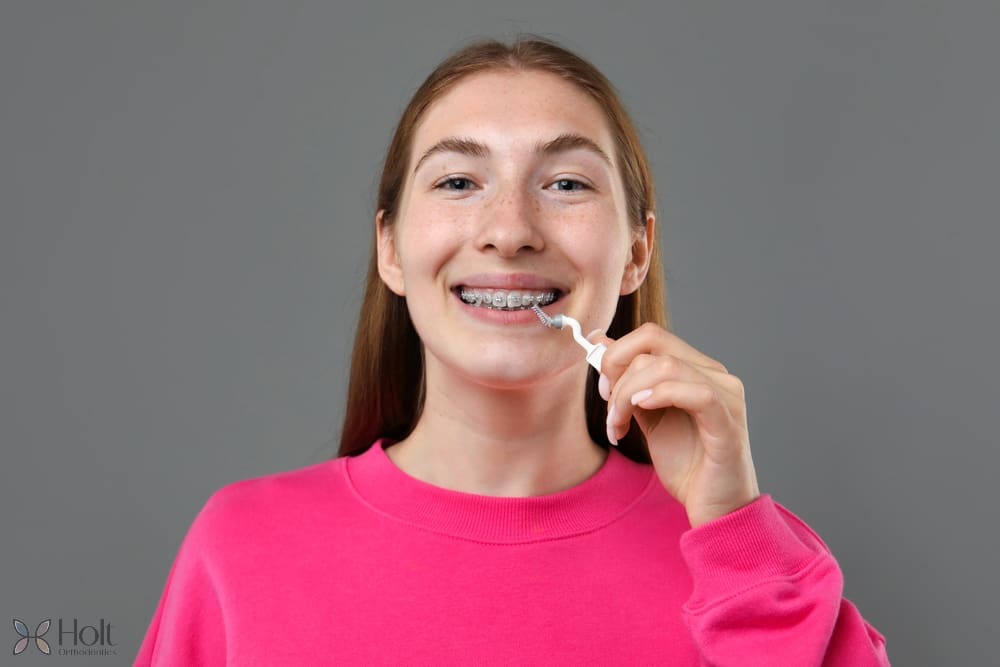
Floss picks and interdental brushes are convenient tools for quick cleaning. They remove plaque from narrow spaces, around brackets, and along the gum line. They are handy at school, work, or while traveling.
Where to Find Flossing Tools
You can purchase flossing products at most local drugstores, online retailers, or dental supply shops in Twinsburg, OH. Holt Orthodontics also provides convenient hygiene starter kits that include floss threaders, orthodontic floss, super floss, interdental brushes, and step-by-step instructions to support your daily oral care routine.
Step-by-Step Flossing Procedure
Flossing with braces becomes easier with practice. Follow this step-by-step technique recommended by Holt Orthodontics:
Step 1: Thread the Floss
Cut 18 inches of dental floss. Insert one end into a floss threader. Slide the threader under the archwire so the floss sits behind the wire.
Step 2: Clean Between Teeth
Wrap the floss in a C-shape around one tooth. Move it slowly up and down along the tooth’s surface. Slide it gently under the gum line. Pull out the floss and repeat for each tooth.
Step 3: Use a Waterpik Water Flosser (Optional)
If string floss is difficult, use a water flosser. Aim the stream between teeth, along the gum line, and around brackets. Adjust the pressure for comfort.
Step 4: Finish with Brushing
Brush your teeth for two minutes using a soft-bristle toothbrush and fluoride toothpaste. Brush around brackets and wires in small circles. Rinse with mouth rinse or warm water if gums feel sensitive.
Tips for Cleaning Different Types of Braces
Different braces need slightly different care techniques. Knowing the right tools and methods for each type helps prevent damage and keeps your teeth and gums healthy. Following these tips makes your daily cleaning routine easier and more effective.
Metal Braces
Thread floss under wires and clean between teeth daily to prevent plaque buildup. This helps keep your gums healthy and reduces the risk of cavities. Using a floss threader or orthodontic floss makes the process easier and more effective.
Clear Ceramic Braces
Floss gently to protect delicate brackets. Slow movements prevent damage and keep your braces intact. Regular flossing also reduces plaque and keeps your teeth and gums healthy.
Lingual Braces (Behind Teeth)
Use a water flosser for hard-to-reach areas. This helps remove food particles and plaque that brushing alone can’t reach. Consistent cleaning prevents gum irritation and keeps your treatment on track.
Self-Ligating Braces
Clean carefully around clips and wires to remove food debris. Consistent flossing keeps treatment on track. As Dr. Taylor Kauffman, a dedicated orthodontist in New Braunfels, TX, points out, keeping the area around each clip and wire clean helps your braces work as they should.
How to Handle Common Flossing Challenges
Even experienced patients face challenges. Here’s how to manage them:
- Sensitive Gums: Rinse with warm saltwater and floss gently. Use toothpaste for sensitive gums.
- Hard-to-Reach Areas: Interdental brushes and water flossers help clean tight spaces.
- Handling Floss: Use floss picks or water flossers if string floss feels awkward.
Personalized Care at Holt Orthodontics
At Holt Orthodontics in Twinsburg, OH, we help every patient build strong oral hygiene habits. Each treatment plan is tailored to the patient’s needs and braces type. Our goal is to make sure every patient can care for their teeth confidently throughout treatment.
Hands-On Lessons
We show patients how to brush, floss, and clean around braces. Step-by-step guidance makes daily care easier. Each treatment plan is tailored to the patient’s needs and braces type. Our goal is to make sure every patient can care for their teeth confidently throughout treatment.
Custom Hygiene Kits
Our kits include floss threaders, orthodontic floss, interdental brushes, and more. Patients use these tools immediately for their braces care routine. Having the right tools ensures proper cleaning and supports long-term oral health.
Expert Advice
We explain flossing technique and oral hygiene instructions clearly. Patients can ask questions anytime to ensure correct care.
Oral Hygiene After Braces
Even after braces are removed, teeth and gums need daily care. Brushing and flossing help maintain a healthy smile. Continuing good habits protects your teeth from decay and gum problems.
- Wear Your Retainer: Protects your teeth from shifting. Follow your orthodontist’s instructions closely. Consistent use helps maintain your straightened smile long-term.
- Floss Daily: Prevents plaque, tartar, cavities, and gum disease. Continue flossing between every tooth. Daily flossing keeps your gums healthy and your smile bright.
- Regular Dental Visits: Every six months for cleanings and checkups. Dentists monitor tooth surfaces and gum line to prevent issues. Regular visits help maintain overall oral health and a lasting smile.
Good maintenance keeps your teeth and gum health in top condition and supports long-term results. Daily brushing, flossing, and routine checkups support gum health. These habits help protect your smile and support long-term results.
Start Your Flossing Routine Today
Flossing with braces does not have to be difficult. With the right tools and proper technique, you can keep your teeth and gums healthy every day. Holt Orthodontics is here to guide your orthodontic care, teach the best braces care routines, and provide tips for effective oral hygiene.
Schedule an appointment today at our Twinsburg, OH, clinic. Our team will help you build healthy habits, keep your teeth clean, and achieve a bright, long-lasting smile.
About The Author
Dr. Shalise Holt – Orthodontist in Twinsburg, OH
Dr. Taylor Kauffman – Orthodontist in New Braunfels, TX
Frequently Asked Questions
Is it normal to not be able to floss with braces?
Yes, it can feel difficult at first because brackets and wires make it harder to reach between teeth. Many people use alternatives, like water flossers or floss threaders, to make the process easier. With practice, flossing with braces becomes simple and effective.
How long should it take to floss with braces?
Flossing with braces may take a little longer than usual, usually around 5–10 minutes. Using a floss threader or water flosser can speed up the process. With regular practice, it becomes faster and easier over time.
Can I just brush my teeth with braces?
Brushing is important, but it isn’t enough on its own with braces. Plaque and food can get trapped around brackets and wires where your toothbrush can’t reach. Including flossing or another tool in your cleaning routine is necessary to keep your teeth and gums healthy.