


A smiling woman with long dark hair and braces, represents best Children’s Orthodontist at Holt Orthodontics in Twinsburg, OH.

Children’s Orthodontist Twinsburg OH

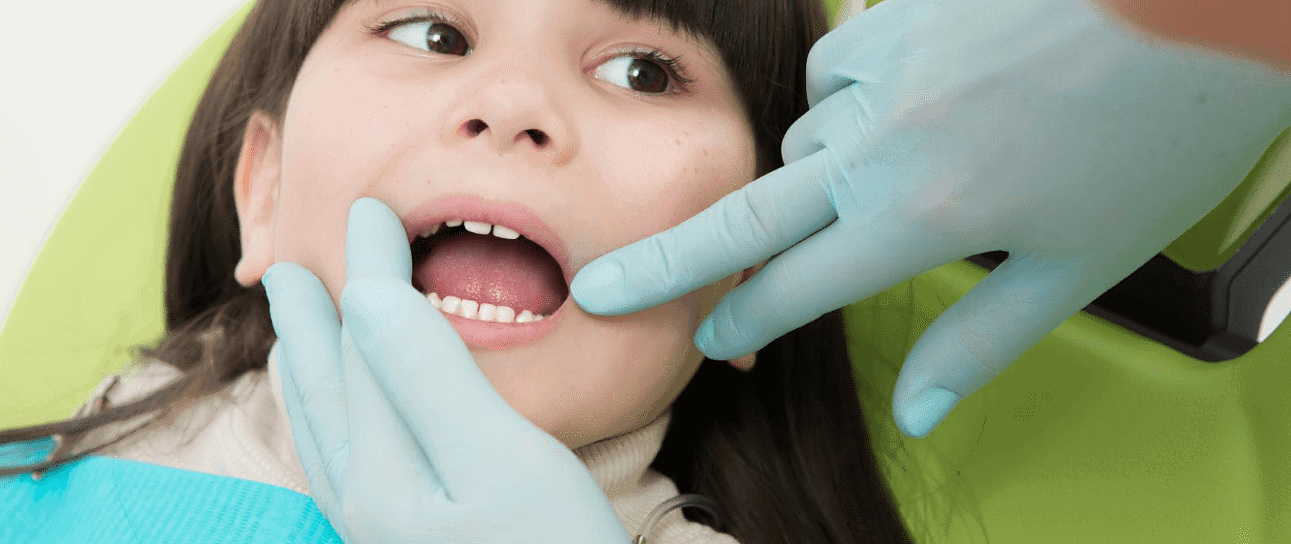
At Holt Orthodontics in Twinsburg, OH, a children’s orthodontist wearing gloves examines a young girl's teeth as she sits comfortably in the dental chair.

Give Your Child a Lifetime of Smiles

Your child needs correctly aligned teeth and jaws for a healthy, lasting smile. While the ideal age for orthodontic care can vary, Dr. Holt and the American Association of Orthodontists recommend a first visit around age seven.

What is Early Treatment?

Early treatment at Holt Orthodontics may prevent or intervene in more serious problems from developing and may make treatment at a later age shorter, simpler, and less costly. In some situations, Dr. Holt can achieve outcomes that would be much harder to reach if the face and jaws finish growing.

When is the Best Time for Treatment?

Although the age when kids get braces can differ, orthodontic treatment in Twinsburg mainly starts between the ages of 9 and 14, as certain orthodontic issues are easier to correct if treated early.

Role of a Children’s Orthodontist

A children’s orthodontist specializes in diagnosing and treating dental concerns in children from infancy through their teenage years. Unlike pediatric dentists who handle general dental care, orthodontists focus on correcting misaligned teeth and jaws, monitoring growth and using braces, retainers, or other devices to ensure proper alignment.

Importance of Early Orthodontic Intervention

Early orthodontic treatment, or interceptive orthodontics, addresses dental concerns at an early stage to prevent serious problems later. Benefits include:
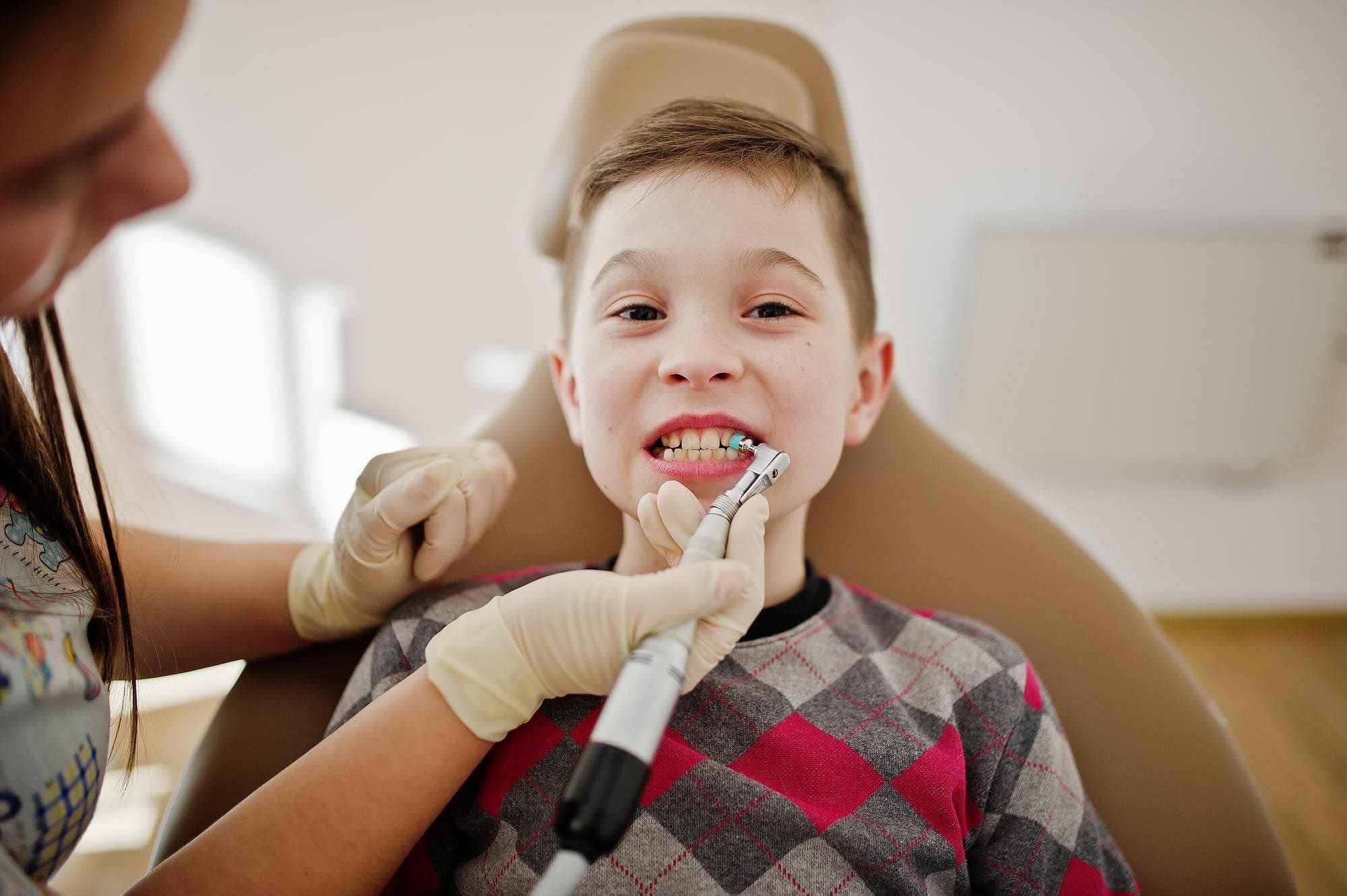
At Holt Orthodontics in Twinsburg, OH, a children’s orthodontist in gloves uses dental tools to clean a child’s teeth as he sits in the dentist’s chair.

Preventing severe
dental issues

A healthy, bright smile can make you feel good about yourself and create a positive impression on others.

Improving appearance
and confidence

Early care saves time, money, and discomfort.

Enhancing oral health

Aligned teeth are simpler to clean, lowering the risk of cavities and gum disease.

Benefits of Children’s
Orthodontic Treatment

Oral health is a vital aspect of overall health and well-being. It’s not just about a beautiful smile but also about keeping a healthy mouth that’s free from diseases and other issues. This guide will offer valuable information on improving your oral health and hygiene.

Improved Oral Health and Hygiene

Orthodontic care supports overall health by promoting a healthy mouth free of disease. Key practices include regular brushing, flossing, and dental check-ups.

Enhanced Speech Development

 Properly aligned teeth enhance pronunciation and articulation. Regular dental visits, good oral hygiene, and a balanced diet all contribute to improved speech development.

Prevention of Future Dental Issues

Good oral care helps avoid problems like cavities and gum disease. Preventive measures include brushing twice daily, flossing, cutting back on sugary foods, and regular dental cleanings.

Boosted Confidence and Self-Esteem

A healthy, bright smile boosts confidence and makes a positive impression. Maintaining this requires proper oral hygiene, routine dental visits, and a nutritious diet.

Understanding Children’s 

Orthodontic Treatment

Orthodontic appliances are tools that orthodontists use to help remedy problems with teeth and jaws. They come in various types, each designed to tackle specific issues. Here are some of the most commonly used orthodontic appliances:

Braces

Braces feature brackets on each tooth connected by an archwire.

Aligners

These are clear, plastic trays that fit over the teeth.

Retainers

These are used after braces or aligners to keep the teeth in their new position.

Space maintainers

These are used when a child loses a baby tooth prematurely. 

Importance of Early Evaluation

The American Association of Orthodontists recommends an initial orthodontic assessment by age seven. Early detection of problems like overcrowding or bite issues can simplify treatment and prevent future complications.
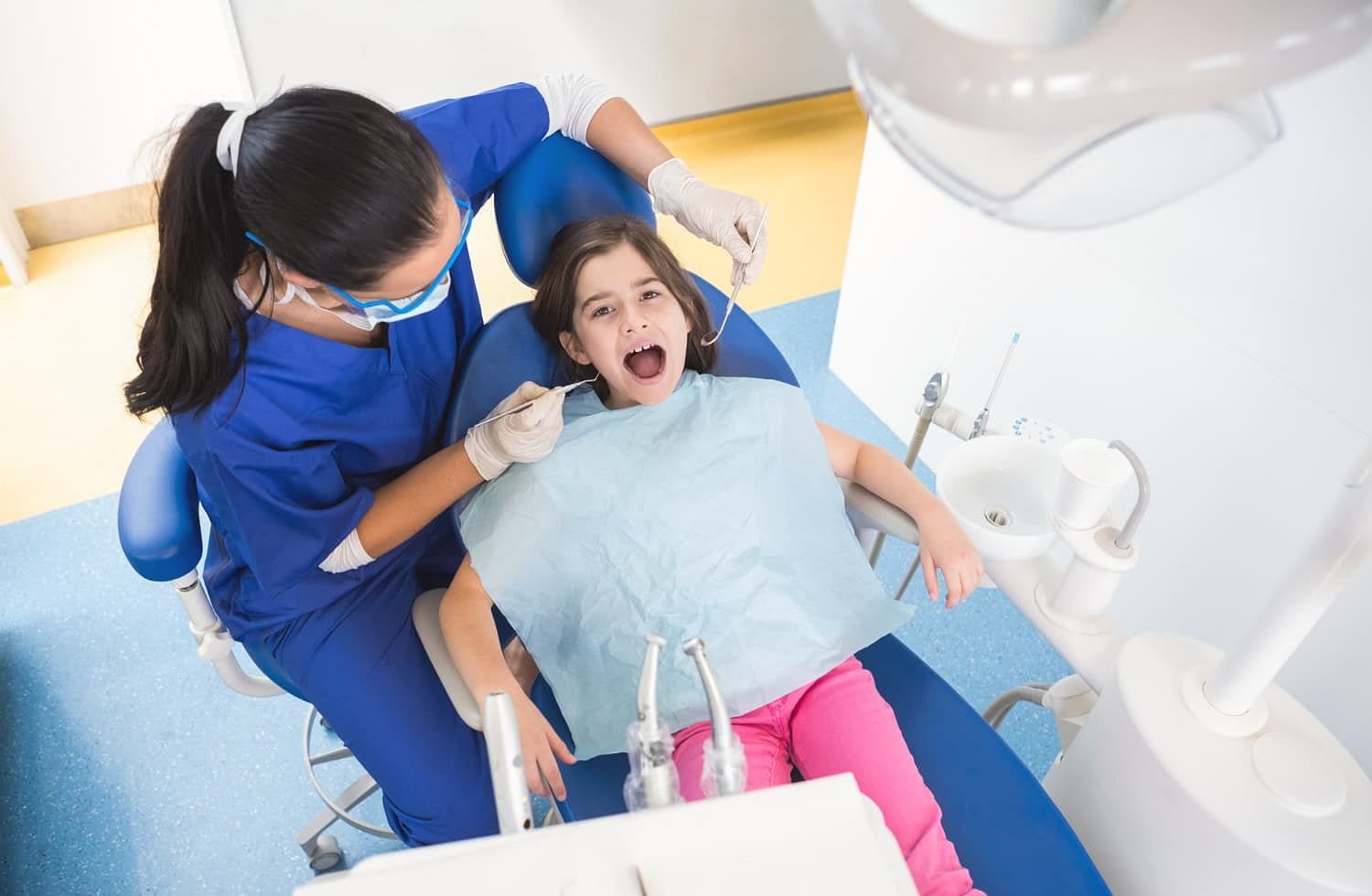
At Holt Orthodontics in Twinsburg, OH, a children’s orthodontist wearing gloves and a mask examines a young girl’s teeth while she sits in the dental chair with a bib.

Treatment Process

Consultation

Includes examination, X-rays and impressions.

Appliance Placement

Orthodontic devices are fitted based on the treatment plan.

Follow-ups

Regular adjustments to monitor and ensure progress.

Retention

A retainer is often used after treatment to maintain results.

A smiling child in a white t-shirt holds a pink toothbrush and gives a thumbs up, ready for a checkup with the Children’s Orthodontist at Holt Orthodontics in Twinsburg, OH.

Appointment Duration and Frequency

The duration and frequency of orthodontic appointments vary depending on the type of appliance used and the severity of the dental issue. Generally, braces need to be adjusted every four to six weeks, while aligners are usually changed every two weeks. Appointments generally last between 30 and 60 minutes. The total treatment time can range from six months to three years or more, depending on the individual case.

Common Orthodontic
Issues in Children

Here are some frequent orthodontic concerns addressed at Holt Orthodontics:
A smiling young person in a peach sweater, possibly visiting Holt Orthodontics in Twinsburg, OH for children’s orthodontic care, makes an "OK" hand gesture with both hands against a plain background.

Overbite, Underbite, Crossbite and Spacing Problems

Overbite: Upper teeth overlap with the lower teeth excessively, causing speech or chewing problems.
Underbite: Lower teeth protrude beyond upper teeth, leading to chewing problems and jaw pain.
Crossbite: Some upper teeth sit inside lower teeth, leading to uneven wear, gum disease and bone loss.
Spacing Problems: Gaps or overcrowding can hinder chewing, speech and oral hygiene.

Crooked or Misaligned Teeth

Caused by genetics, thumb sucking, or accidents. Misaligned teeth can create challenges in cleaning, increasing the risk of tooth decay and gum disease.

Crowding or Spacing Issues

Crowding occurs when there’s insufficient space for teeth, making cleaning difficult and increasing the risk of tooth decay. Spacing problems can cause food to become stuck between teeth, also contributing to decay.

Thumb Sucking and Other Oral Habits

While common in young children, prolonged thumb sucking can result in misalignment of teeth and changes to the roof of the mouth.

Orthodontic Treatment Options for Children
Orthodontic appliances are tools used by dental professionals to correct alignment and spacing issues in the teeth and jaw. They come in different forms, each designed to tackle specific dental problems. In this guide, we will look at the details of four common types of orthodontic appliances: traditional braces, clear aligners, functional appliances, and retainers.
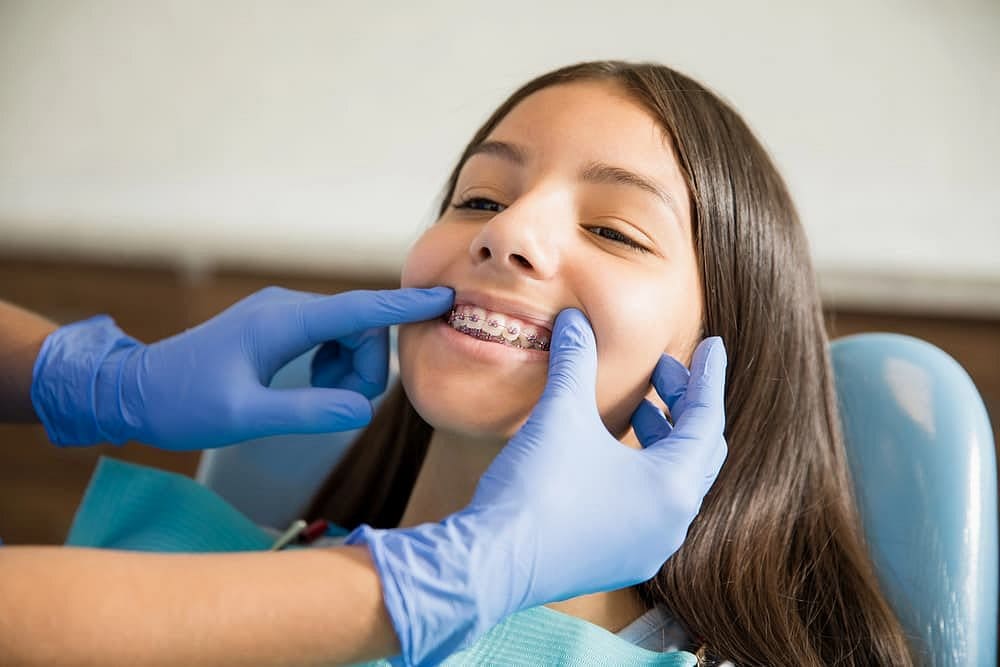
At Holt Orthodontics in Twinsburg, OH, a children’s orthodontist in blue gloves examines a young patient’s traditional braces.

Traditional Braces

Traditional braces have been a fixture in orthodontics for many years and remain the most common type of orthodontic device.

Components

Brackets, archwires and ligature elastics.

Benefits

Effective for severe misalignments, durable and suitable for a wide range of dental issues.
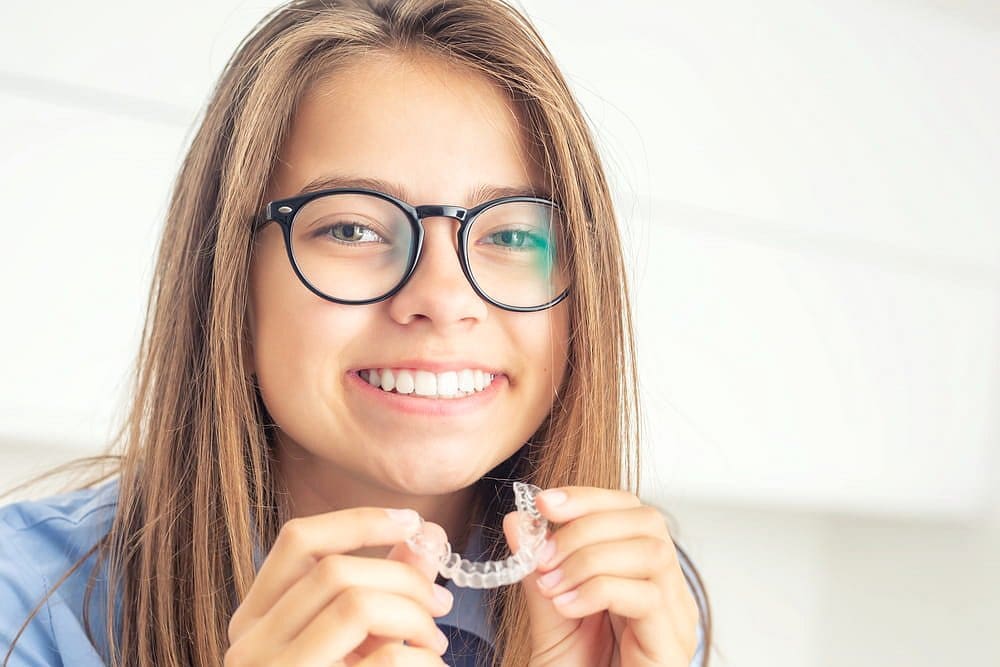
A smiling young person with glasses holds a clear aligner, showcasing the advantages of choosing Holt Orthodontics in Twinsburg, OH for children's clear aligner treatment.

Clear Aligners

Clear aligners represent a modern alternative to traditional braces.

How They Work

Use consistent pressure to gradually move teeth, with new aligners replaced every two weeks.

Advantages

Discreet, removable for eating and cleaning and convenient for oral hygiene.
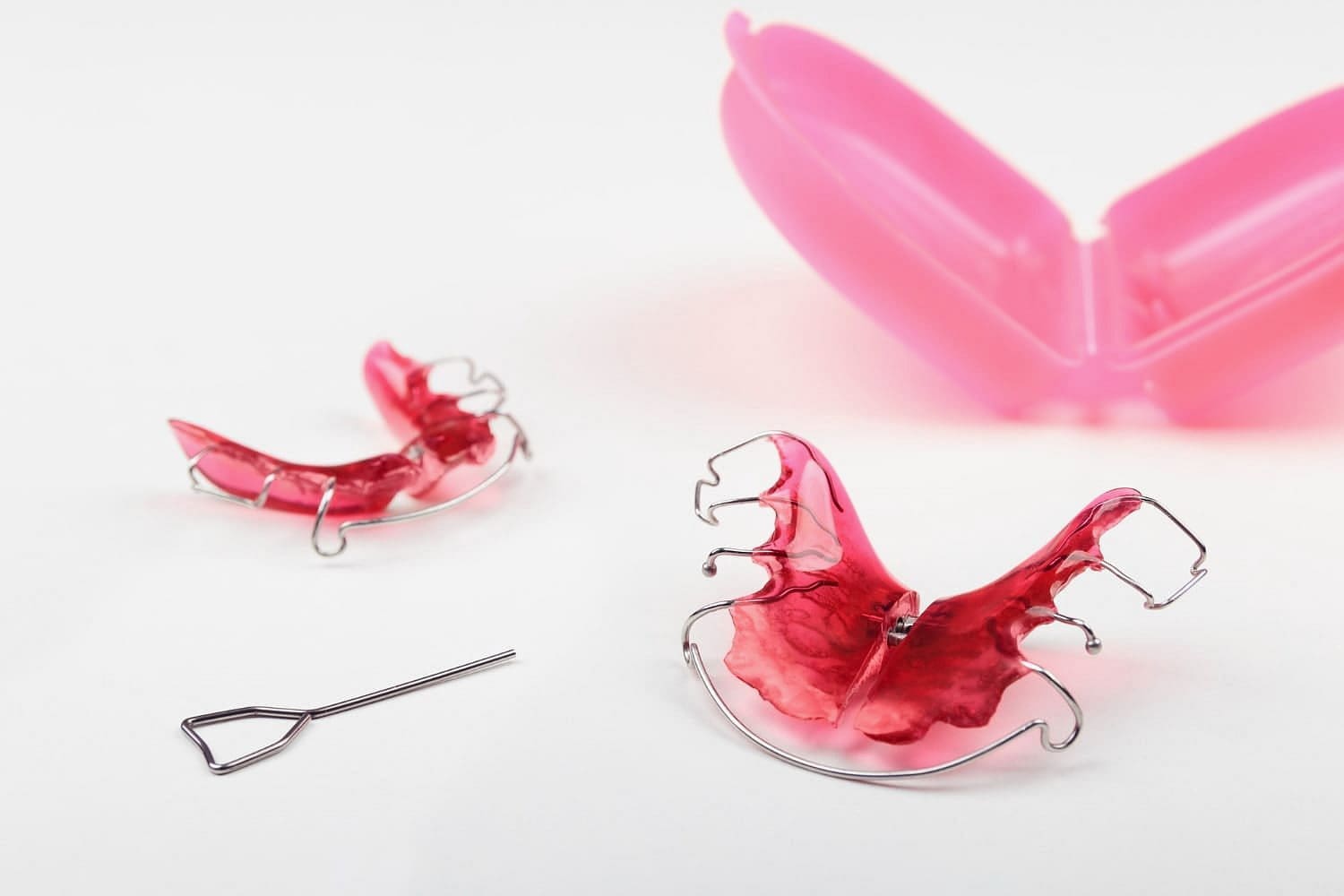
Displayed on a white surface are two pink dental retainers with metal wires, a small adjustment tool, and an open pink plastic case—ideal functional appliances for children recommended by Holt Orthodontics in Twinsburg, OH.

Functional Appliances

Designed to address jaw growth issues, these appliances are usually recommended for children and teens.

Types

Twin Block, Bionator and MARA appliances.

Benefits

Can improve jaw function and facial aesthetics, preventing future dental problems.

At Holt Orthodontics in Twinsburg, OH, a young girl with blonde hair smiles at the camera while holding up a colorful retainer mold, highlighting the fun experience of visiting a children’s orthodontist.

Retainers

Retainers are crucial to help prevent any shifting back to original alignments.

Types

Removable (can be taken out for cleaning) and fixed (permanently bonded).

Benefits

Essential for maintaining the results of orthodontic treatment and a lasting smile.

A young girl smiles and points at a dental model held by a children’s orthodontist at Holt Orthodontics in Twinsburg, OH.

Importance of Early Orthodontic Intervention

Interceptive orthodontics is a proactive approach that aims to tackle dental issues while a child’s jaw is still growing, which can prevent more severe dental problems in the future. The benefits of early intervention include avoiding serious orthodontic issues, improving appearance, and enhancing oral health. For children aged 6-10, this is an ideal time to address matters like crossbites and crowding, as their jaw is still developing. Between ages 11-15, most children have permanent teeth, making it a suitable period for braces to correct alignment issues.

Finding the Right Pediatric Orthodontist

When selecting an orthodontist for your child, it’s essential to consider their qualifications and experience to ensure they are well-suited to your family’s needs. Look for an orthodontist who has advanced training in orthodontics and experience working with children. Additionally, practical factors such as the office location, convenient hours, and treatment costs, including payment options or insurance coverage, should be taken into account. Taking the time to carefully choose the right orthodontist helps ensure your child receives excellent care and a positive overall experience.
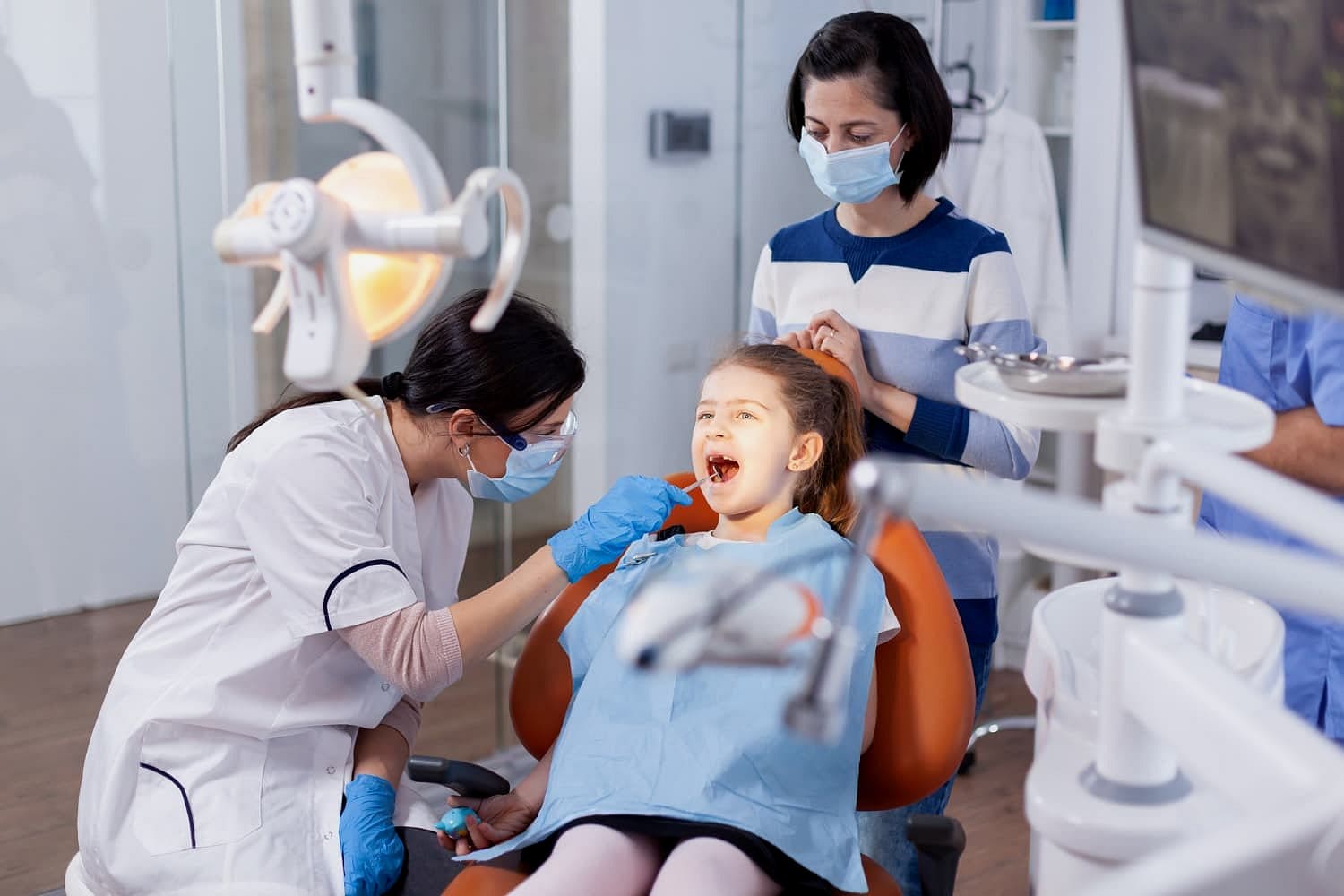
At Holt Orthodontics in Twinsburg, OH, a children’s orthodontist examines a young girl’s teeth in the clinic as her masked mother stands nearby.

Conclusion

Holt Orthodontics emphasizes the significance of early orthodontic evaluations for children, recommending visits by age seven. Early intervention can tackle potential dental issues like overbite, underbite, or crowding, preventing more significant problems later on. With personalized treatment, such as braces or retainers, children can enjoy better oral health, improved self-esteem, and more manageable treatment in the future. Dr. Holt offers specialized care in a welcoming environment for children.

FAQ

What age should a child go to orthodontist?

It’s wonderful that you’re being proactive about your child’s dental health! According to the American Association of Orthodontists, it is recommended that a child visit an orthodontist for the first time around the age of seven. This might seem early, but it allows the orthodontist to catch and correct any potential issues before they become more serious. Remember, an initial visit doesn’t necessarily mean your child will require treatment right away. It’s mainly about monitoring their development and ensuring everything is on track.

Can a 6 year old see an orthodontist?

Absolutely! A 6-year-old can definitely visit an orthodontist. In fact, the American Association of Orthodontists suggests that children have their first check-up with an orthodontist no later than age 7. This early check-up can help identify any potential issues with jaw growth and emerging teeth. So, if you’re considering an orthodontic visit for your little one, go ahead! It’s an excellent step towards ensuring a healthy, beautiful smile for your child.

How painful are braces for kids?

It’s perfectly normal for children to feel a bit of mild discomfort or soreness when they first get braces or after having them adjusted. This happens because the braces are moving their teeth into alignment. The good news is that this discomfort generally fades within a few days and can often be eased with over-the-counter pain relief. Soon enough, their mouth adjusts to the braces and they may hardly notice they’re wearing them anymore. So while braces might create a little temporary discomfort, it’s both manageable and short-lived.